
When buying a fighting Betta fish, besides considering its color, size, and price, you also need to pay attention to its health condition. A fish with a beautiful appearance but poor health, an illness, or prolonged stress may have difficulty adapting to a new environment. Therefore, knowing how to choose a healthy fighting Betta fish before buying is very important, especially for beginners.
Based on my experience, when choosing a Betta fish, you should not just take a quick look and make a decision immediately. Take the time to observe how the fish swims, reacts, and looks, including its color, fins, body, and overall external condition. Sometimes, small signs can help you recognize whether a fish is healthy or has a problem.
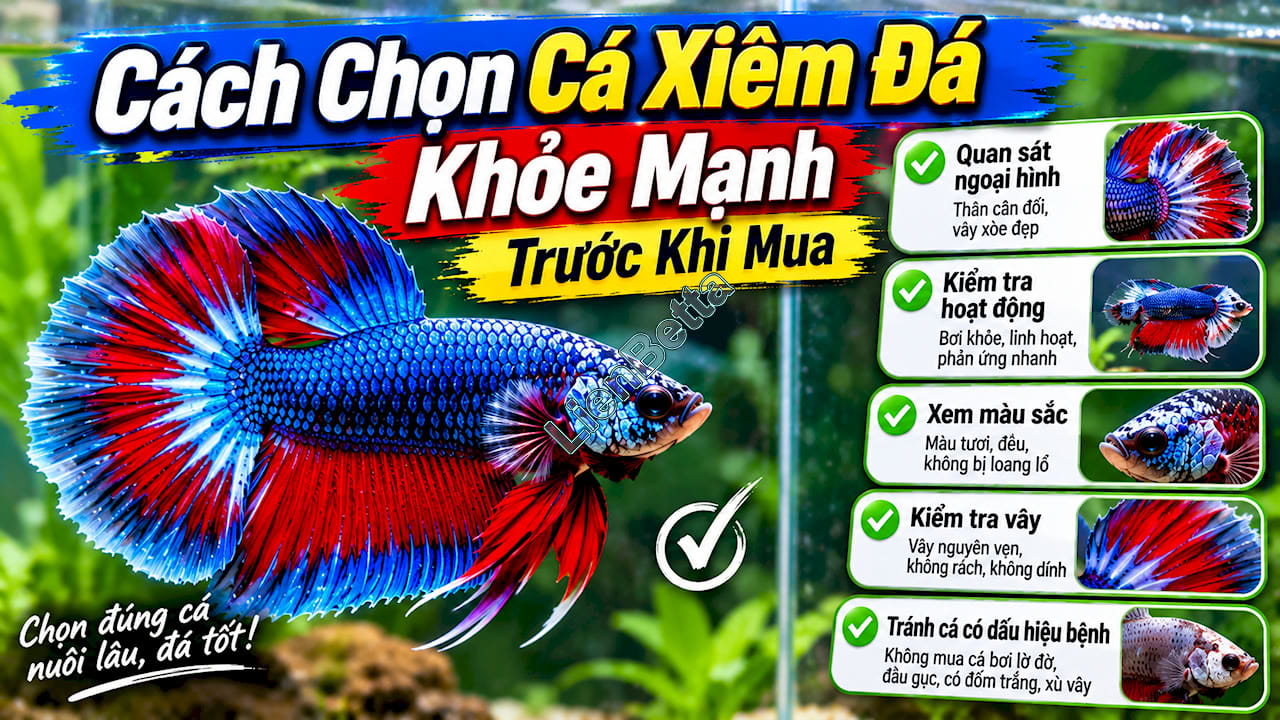
Below are the tips I usually follow when checking fish before choosing one to buy.
1. Observe How the Fish Swims and Moves
This is one of the first steps when choosing a fighting Betta fish. A healthy fish is usually active, maintains good balance, and responds normally to its surroundings.
When observing the fish, you should pay attention to the following signs:
- The fish swims actively and can move up and down and change direction normally.
- It maintains good balance without leaning to one side or swimming upside down.
- It does not constantly lie at the bottom or float motionless on the water surface.
- It responds to slight movements outside the tank.
- It does not swim uncontrollably in circles or repeatedly crash into the sides of the tank.
However, a Betta staying still does not always mean it is weak. Bettas may rest, especially in a quiet environment or while adjusting to a new place. Therefore, you should observe the fish for a period of time rather than drawing a conclusion from just one moment.
If the fish frequently loses its balance, leans to one side, has difficulty moving, or shows prolonged abnormal behavior, it is best to reconsider buying it.
2. Check Whether the Fish's Body Is Healthy
The body is an area that needs careful observation because some health problems can be seen through external appearance.
A fish in good condition usually has a well-proportioned body, is not excessively thin, does not have an unusually swollen belly, and shows no obvious signs of injury.
When checking the fish, pay attention to:
- The body has no ulcers, open wounds, or damaged skin areas.
- There are no white spots, unusual patches, or obvious signs of fungal infection.
- The belly is not abnormally swollen.
- The scales lie relatively flat and are not raised.
- There are no signs of bleeding or unusual discoloration on the body.
You should also observe both sides of the fish to avoid missing signs that appear on only one side. Some fish have dark colors or complex patterns that make injuries harder to identify, so proper lighting is also very important when inspecting them.
If you notice a wound, unusual spots, or signs of illness, ask the seller about the fish's condition and when the problem first appeared. Do not buy a fish simply because it has a low price or beautiful colors without understanding the cause of the problem.
3. Check the Fish's Eyes, Mouth, and Gills
The eyes, mouth, and gills are areas that buyers can easily overlook when they focus only on color or overall appearance.
Eyes: Healthy fish usually have relatively clear eyes without unusual cloudiness, bulging, or signs of injury. Both eyes should look balanced, with no obvious abnormalities.
Mouth: Check whether the mouth is deformed, injured, or has unusual white patches. A fish with an abnormal mouth may have difficulty eating.
Gills: The gill area moves as the fish breathes. Observe whether the fish is breathing too rapidly, constantly flaring its gills abnormally, or showing signs of breathing difficulty.
Bettas have an additional respiratory organ, so they regularly swim to the water surface to take in air. This is normal behavior and should not be confused with signs of oxygen deficiency or illness. What matters is whether the breathing frequency and behavior appear abnormal.
If the fish is constantly breathing rapidly, its gills are moving excessively, or it shows signs of breathing difficulty, you should ask the seller to check its condition again before making a decision.
4. Observe the Fish's Fins and Tail
The fins and tail are among the easiest parts of a Betta to inspect for external signs of its condition. When choosing a fish, check whether the fin rays are intact, whether the fin edges are torn, or whether there are any unusual signs of deterioration.
A fish with healthy fins usually has the following characteristics:
- The fins are not rotting or extensively torn.
- There are no unusual white patches or black edges accompanied by signs of damage.
- The fin rays are not broken or severely deformed.
- The tail is not abnormally clamped for a prolonged period.
- The fish can normally spread and retract its fins.
Keep in mind that Betta fish can suffer fin damage from collisions, transportation, or fin biting. A small tear does not necessarily mean the fish is sick, but you should consider the extent of the damage and its overall condition.
In particular, you should not judge whether a fish is healthy or weak based only on how widely it spreads its fins. There are times when a fish is resting or does not want to flare its fins while getting used to a new environment.
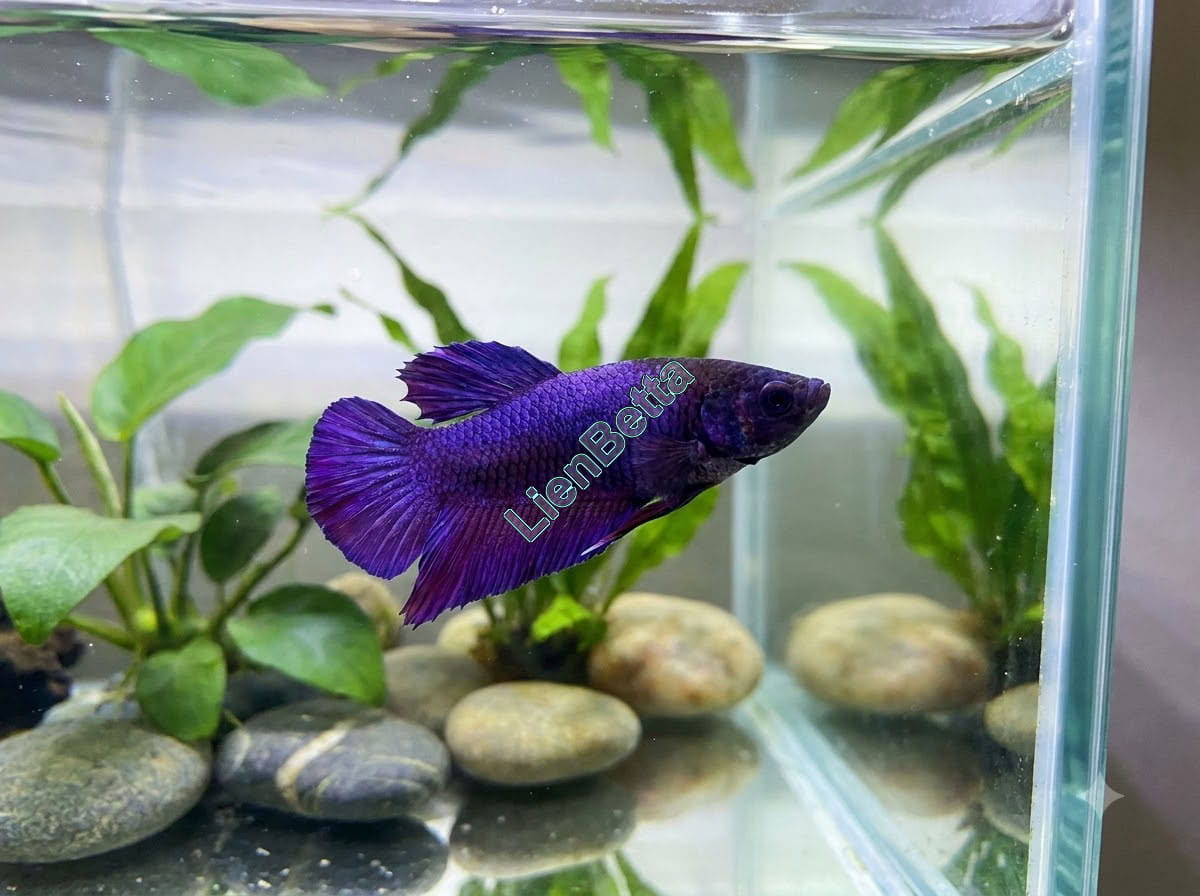
5. Check the Fish's Color and Reactions
Color is also one factor that can help buyers assess a fish's condition, but it is important to understand it correctly to avoid misunderstandings.
Healthy Betta fish usually display colors that are relatively clear and consistent with the characteristics of their strain. Their bodies should not have unusually pale areas or sudden color changes accompanied by signs of weakness.
However, a fish's color can change for many reasons, such as lighting, water conditions, age, mood, and the acclimation process. Therefore, you should not conclude that a fish is sick simply because its color looks paler than it does in the advertised photos.
You can also observe the fish's reaction to slight movements outside the tank. The fish may pay attention, move around, or respond to its surroundings. This can provide some useful information about its activity level.
Do not constantly stimulate or frighten the fish just to test its reactions. Unnecessary stress can affect its health, especially when the fish is being kept in a small tank or has recently undergone transportation.
6. Check the Belly and Eating Habits
The belly is an area that can help you identify certain problems related to the fish's physical condition and digestion.
A healthy fish usually has a well-proportioned belly that is neither excessively sunken nor abnormally swollen. If the belly is too thin, you should ask the seller about its feeding schedule and previous care conditions. If the belly is swollen, you need to determine whether the fish has simply eaten a lot or whether there may be another abnormal condition.
If possible, ask the seller whether the fish has been eating normally over the past few days. A fish that continues to eat normally is a useful sign to consider when assessing its health.
However, a fish may temporarily stop eating when its environment changes, when it is stressed, or when it is not yet familiar with the food. Therefore, you should not conclude that a fish is sick based on a single instance of refusing food.
You should prioritize sellers who can provide information about the fish's care routine, the type of food it currently eats, and its eating habits.
7. Choose a Fish with a Suitable Age and Size
When buying fighting Betta fish, many people focus only on size without paying attention to age and developmental stage.
A fish that is too small may not yet display all of its physical characteristics. Meanwhile, an adult fish is usually easier to evaluate in terms of size, color, and overall body shape.
However, a larger fish does not necessarily mean a healthier fish. A fish with a good size but an unbalanced body, an abnormal belly, or weak swimming behavior is still not a suitable choice.
When buying, you should ask the seller about the estimated age, size, and how long the fish has been raised at the farm. This information helps you better understand the fish's stage of development.
For beginners, I recommend prioritizing fish that have reached a relatively stable stage of development, show signs of good health, and are easy to inspect. There is no need to insist on choosing the largest or most expensive fish if you do not yet have enough experience to evaluate them.
8. Check the Water Conditions Where the Seller Keeps the Fish
Besides observing the fish itself, you should also consider the water conditions and how the seller takes care of the fish.
A healthy fish is often associated with stable keeping conditions. If the tanks are excessively dirty, the water contains a lot of waste or leftover food, or the fish appear to be living in a poorly maintained environment, you should be cautious.
When visiting a fish farm in person, observe the following:
- Is the tank water excessively cloudy or full of waste?
- Are the tanks cleaned and maintained regularly?
- Are there signs of illness among fish in multiple tanks?
- Are the fish-keeping tools used and cleaned properly?
- Does the seller understand the condition and origin of the fish?
A fish tank does not need beautiful decorations or modern equipment to be considered good. What matters is that the water conditions are suitable and stable and that the fish receive proper care.
If many fish in the same area show signs of illness, you should carefully reconsider buying from that source. Do not choose just one fish because it looks beautiful while ignoring the overall condition of the fish-keeping area.
9. Warning Signs to Avoid When Buying Fighting Betta Fish
If you notice any of the following signs, you should inspect the fish more carefully or consider choosing another one:
- The fish lies on its side, loses balance, or frequently remains motionless.
- The body has ulcers, fungal growth, or unusual spots.
- The scales are raised or the belly is significantly swollen for an unclear reason.
- The fins are rotting, severely torn, or showing signs of extensive damage.
- The fish breathes rapidly or has abnormal gill movements.
- The fish swims in circles, loses its sense of direction, or responds very weakly.
- The seller refuses to show the actual fish or avoids questions about its health condition.
A single sign is not always enough to conclude that a fish is sick. For example, a fish may remain still while resting or change color due to lighting. However, if several abnormal signs appear at the same time, you should not rush into buying it.
In particular, be careful with advertising claims such as extremely healthy fish, selected fish, imported fish, or high-quality fish if the seller cannot provide actual photos and clear information.
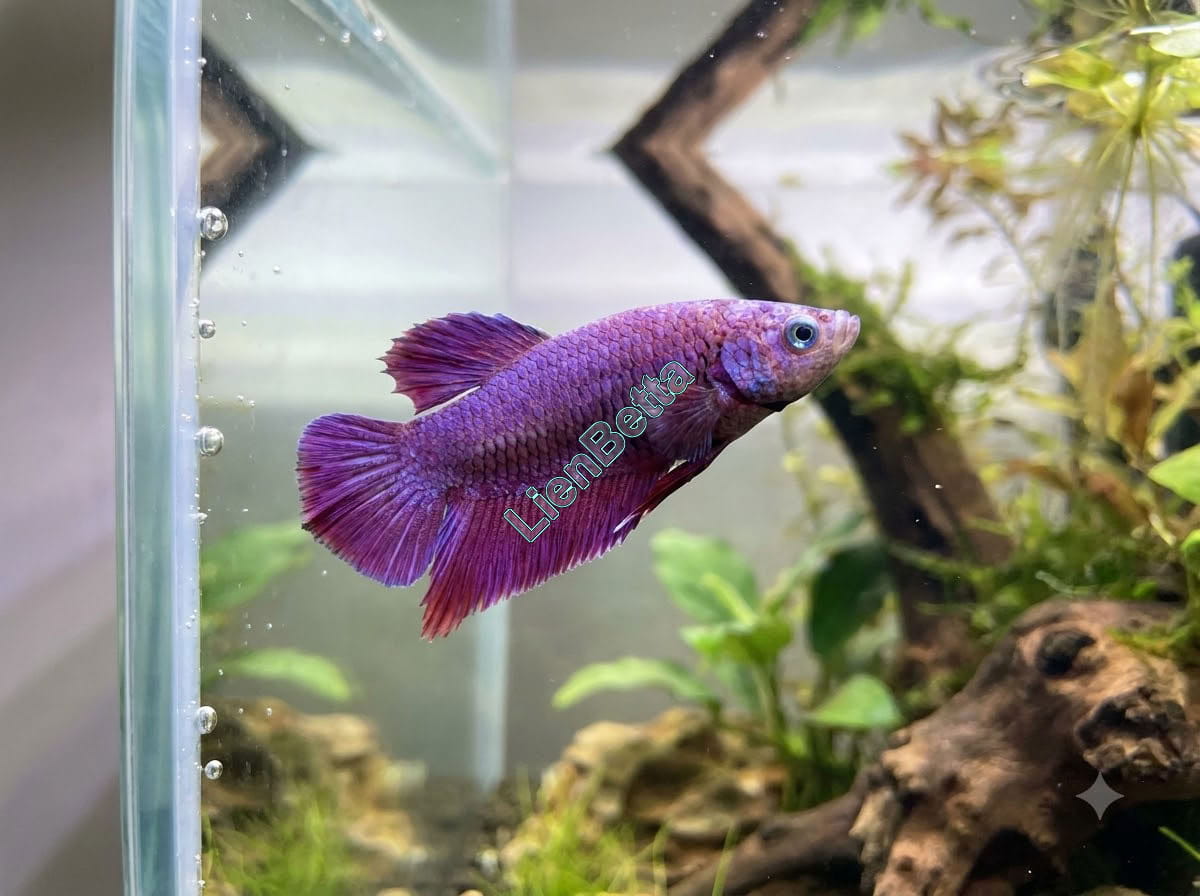
10. Tips for Choosing Fighting Betta Fish When Buying Online
You may not always have the opportunity to visit a fish farm in person. When buying online, you need to inspect the fish more carefully because you cannot observe it directly in its keeping environment.
First, ask the seller to send actual photos or videos of the exact fish they intend to ship. The video should be clear enough for you to observe the body, fins, tail, and swimming behavior. If the seller only provides still photos, it will be difficult for you to fully assess the fish's activity and condition.
Next, ask when the video was recorded. A video taken some time ago may no longer accurately reflect the fish's current condition. If the fish has been kept for a longer period or has recently undergone transportation, its health condition may have changed.
You should also ask the seller some basic questions, such as:
- How long has the fish been kept at the farm?
- Is the fish eating normally?
- Has it ever been sick or is it currently receiving treatment?
- Does the fish have any torn fins, scratches, or injuries?
- What is the estimated delivery time?
- If the fish has a problem when it arrives, how should you contact the seller and resolve the issue?
Do not hesitate to ask these questions before making payment. Experienced and reputable sellers usually understand that customers need to know the fish's condition before deciding to buy.
When the fish arrives, inspect the outside condition of the shipping bag or box first. Then allow the fish to adjust to the temperature and water conditions according to suitable instructions. Do not release the fish immediately into a new tank if the temperature and water conditions are significantly different.
11. Should You Choose a Healthy Fish or a Beautiful-Looking Fish?
This is a question many beginners often face. When they see a fish with striking colors, a beautiful body shape, and an attractive price, they can easily make a decision without checking its health.
In my opinion, health should always be the first priority. A beautiful appearance is a bonus, but a weak fish or one showing signs of illness will make the care process more difficult.
If two fish have the same price, you should prioritize the one that swims normally, has no visible body injuries, has relatively intact fins, and has been kept in a stable environment.
For Betta fish, appearance can also change over time and depending on care conditions. A fish whose colors are not particularly striking may still be a suitable choice if it is healthy and has the characteristics you like.
Do not overlook health warning signs just because you want to own a beautiful fish. Choosing a healthy fish from the beginning will make it easier to care for and give you a better fish-keeping experience.
Conclusion
Choosing a healthy fighting Betta fish before buying is not too complicated, but it requires careful observation rather than focusing only on color or size. You should check how the fish swims, as well as its body, eyes, mouth, gills, fins, tail, belly, and reactions to its environment. At the same time, pay attention to the keeping conditions and the information provided by the seller.
If you buy online, ask for actual videos, check the fish's condition carefully, and learn about the seller's support policy after delivery. Do not make your decision based solely on advertising claims or country of origin.
At Ngoc Lien Aquarium Fish - LienBetta.Com, I always advise fish keepers to take the time to inspect a fish before buying. A healthy fish with a clear origin that suits your care conditions is a more worthwhile choice than a fish that only looks beautiful in advertising photos.

 Vietnamese
 English