
If this is your first time buying a fighting Betta, I'm sure you have plenty of questions. Where should you buy one? How do you choose a healthy fish? What's a reasonable price? Do you need to buy the most beautiful Betta right away?
This is also one of the questions my customers ask me every day at Ngoc Lien Aquarium Fish - LienBetta.com.
After many years of breeding, selecting, and shipping Bettas to customers across Vietnam, I've realized that most beginners don't struggle because Bettas are difficult to keep—they struggle because they choose the wrong fish from the beginning. A healthy Betta is much easier to care for, while a weak fish or one carrying disease can quickly discourage a new owner when it stops eating, develops raised scales, or dies after only a few days.

If you're getting ready to buy your very first fighting Betta, take a few minutes to read this article. Everything I'm sharing here comes from my real experience caring for Bettas every day.
Don't Rush to Buy the Most Beautiful Fish
This is one of the most common mistakes I see beginners make.
When you see dozens of Bettas in bright, vibrant colors, it's natural to be drawn to the most eye-catching one. However, good looks don't always mean good health.
I always recommend choosing your fish in this order:
- Healthy.
- Responsive.
- Has a strong appetite.
- Then consider color and pattern.
A healthy Betta will continue to develop better colors over time. On the other hand, even the most beautiful fish can be difficult to care for if it isn't healthy.
Watch How the Fish Swims
This is the very first thing I look at whenever I'm selecting Bettas.
A healthy fish usually:
- swims actively;
- maintain good balance;
- doesn't rest on the bottom;
- doesn't constantly gasp at the surface;
- responds quickly when someone approaches.
If the fish swims sideways, appears sluggish, or stays motionless in one corner for too long, you should think twice before buying it.
Check the Eyes, Gills, and Fins
Don't just look at the color.
Take a few extra minutes to examine:
Eyes
- Clear.
- Not cloudy.
- Not unusually bulging.
Gills
- Open and close evenly.
- No rapid breathing.
- No constant mouth-gasping.
Fins
- Naturally spread.
- Not clamped.
- Not heavily torn.
- No unusual white edges.
These small details often reveal a great deal about the fish's overall health.
Don't Be Tempted by Extremely Cheap Bettas
From time to time, I still see Bettas being sold at unbelievably low prices.
Not every inexpensive fish is bad, but if the price seems unusually low, you should investigate carefully.
A healthy Betta requires a lot of time and care:
- regular water changes;
- daily feeding;
- careful selection;
- continuous health monitoring.
That's why it's difficult to produce a truly high-quality Betta at an extremely cheap price.
Sometimes you save a few dollars when buying the fish, only to spend much more later on medication, food, and extra care.
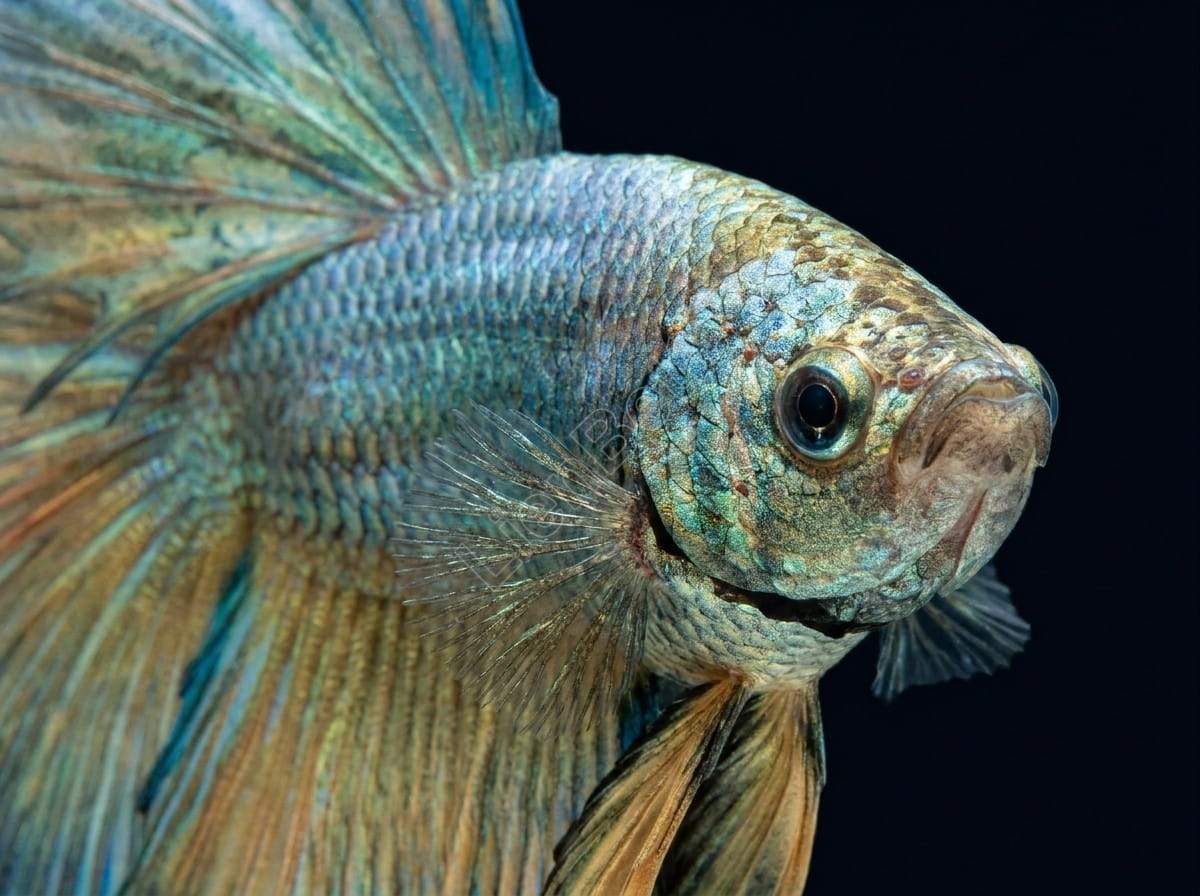
Choose an Experienced Seller
In my opinion, this is the most important factor.
An experienced seller doesn't simply send you a fish and disappear.
They'll explain:
- how to acclimate the fish;
- how to feed the fish;
- when to change the water;
- how to recognize signs of stress.
Most importantly, they'll be there to help if you run into problems after bringing your Betta home.
That's the real value of buying from a reputable breeder.
You Don't Need an Expensive Betta as a Beginner
Many people think that the more expensive the fish, the easier it will be to care for.
In reality, that is not the case.
If you're just getting started, choose a Betta that is:
- is healthy;
- Easy to adapt.
- already eating well;
- reasonably priced.
Once you've gained more experience, you can always invest in higher-end bloodlines later.
Ask What the Fish Has Been Eating
Many beginners overlook this.
Different breeders use different foods.
If your Betta has been eating live worms, Artemia, or pellets and you suddenly switch its diet, it may refuse food for several days.
I usually advise customers to continue feeding the same food for the first few days, then gradually transition to a different food if necessary.
This helps the fish adjust much more smoothly.
Don't Release the Fish Immediately
This is another common beginner mistake.
After transportation, the fish is already tired and stressed.
If you immediately place it into new water, it may suffer from temperature shock or water parameter shock.
At my fish farm, I always recommend:
- floating the bag for about 15–20 minutes to equalize the temperature;
- gradually adding small amounts of aquarium water into the bag several times;
- then gently releasing the fish into its new home.
It only takes a few extra minutes but makes a huge difference in helping the fish adapt.
Prepare the Aquarium Before Buying Your Betta
Many people buy the fish first and only then start preparing the tank.
I believe it should be the other way around.
Prepare these items in advance:
- a clean aquarium or container;
- dechlorinated water;
- a quiet location;
- appropriate fish food.
That way, your Betta can settle into a stable environment as soon as it arrives.
Don't Be Afraid to Ask Questions
No one knows everything when they're just starting out.
I'm always happy when customers ask questions like:
- How often should I change the water?
- How many times should I feed the fish each day?
- What should I do if my Betta stops eating?
- Should I use Indian almond leaves?
It's much better to ask first than to make mistakes and try to fix them later.
An experienced breeder will always be happy to share advice if they genuinely want you to succeed.
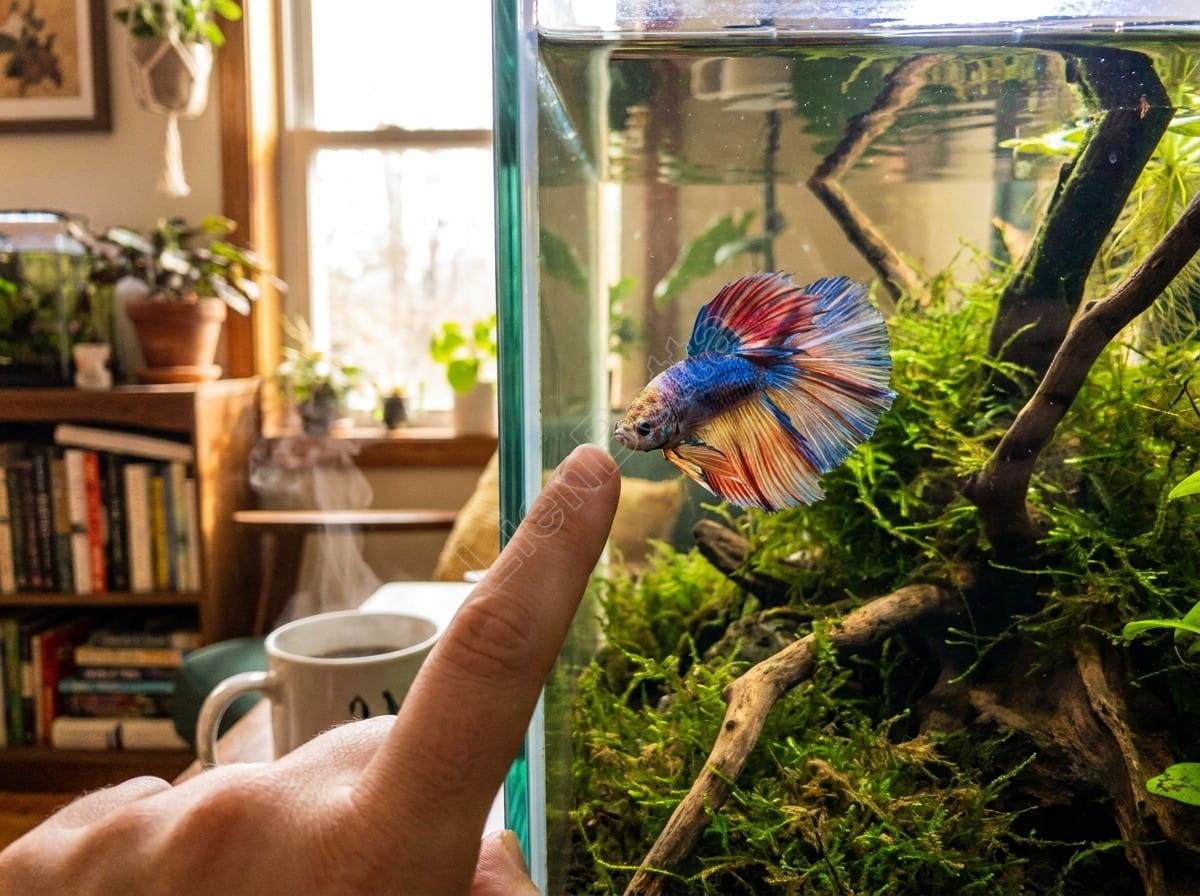
Common Mistakes Beginners Make
After years of shipping Betta fish, these are the mistakes I see most often:
- Choosing fish based only on color.
- Buying the cheapest option available.
- Releasing the fish immediately after arrival.
- Overfeeding.
- Changing all the water at once.
- Keeping two male Bettas together.
- Not observing the fish during its first few days.
Simply avoiding these mistakes will greatly reduce your Betta's risk of stress and illness.
How I Help New Customers Choose the Right Betta
Whenever someone contacts me for the first time, I don't begin by asking which color they like.
Instead, I ask:
- Have you kept Bettas before?
- Will you keep it in an aquarium or a small container?
- Are you buying it for display or collecting?
- Do you have time for daily care?
These questions help me recommend the Betta that's truly right for them.
In my opinion, matching the right fish with the right owner is far more important than simply selling an expensive Betta.
That's also the philosophy I continue to follow at Ngoc Lien Aquarium Fish - LienBetta.com.
Conclusion
Buying a fighting Betta isn't difficult, but choosing a healthy fish that's suitable for a beginner is extremely important. Don't focus only on color or price. Instead, prioritize the fish's health, responsiveness, origin, and the reputation of the breeder.
A healthy Betta will give you a much more enjoyable fishkeeping experience, reduce the chance of disease, and help you develop a lasting passion for the hobby. From my experience, spending a little extra time learning before buying is always worth it.
I hope these practical tips help you feel more confident when choosing your very first fighting Betta. If you ever need advice on selecting a fish or caring for it after it arrives, Ngoc Lien Aquarium Fish - LienBetta.com is always happy to support you throughout your journey of raising healthy and beautiful Betta "warriors."


 Vietnamese
 English