
Do Indonesian Betta fish fight? This is a question many people ask when looking to buy imported fighting Betta fish. On the market, Betta fish come from various countries, including Thailand, Indonesia, Cambodia, and Vietnam. Each country has its own fish farms, strains, and selection methods, which often leaves buyers wondering whether Indonesian Betta fish are suitable for their needs.
Some people believe that Thai fighting Betta fish are more famous, so Indonesian Betta fish are not worth buying. Others are interested in Indonesian Betta fish because they want to explore new sources with characteristics that differ from the familiar strains available on the Vietnamese market.
In my opinion, Indonesian Betta fish come in many different strains, but a fish's ability to perform well in competition cannot be determined solely by its country of origin. What matters is knowing which strain the fish belongs to, which farm raised it, its health condition, and whether the seller provides reliable information.

Are Indonesian Betta Fish Fighting Fish?
Indonesia is one of the countries with an active Betta fish-keeping community. People there keep various types of Betta fish for different purposes, ranging from ornamental fish with striking colors and beautiful fins to strains selected for specific characteristics.
Therefore, it is incorrect to assume that all Indonesian Betta fish are only meant to be admired or that there are no strains that attract fish keepers because of their physical characteristics and movement.
However, it is important to distinguish between ordinary ornamental Betta fish and fish that breeders or sellers describe as fighting Bettas. Ornamental fish are usually selected for their colors, body shape, fins, and suitability for the keeper's personal preferences. Meanwhile, strains selected for other purposes may have their own selection criteria.
Even when two fish come from Indonesia, they can differ significantly. One may belong to an ornamental strain bred for beautiful colors, while another may have been selected for different characteristics.
Therefore, when a seller introduces a fish as an Indonesian Betta, you should ask which strain it belongs to, where it was farmed, and whether the information about the fish can be verified. Knowing only the country of origin is not enough to determine the fish's specific characteristics.
Why Are Some Indonesian Betta Fish Good While Others Are Not?
Betta fish quality depends on many factors. The country of origin is only part of the information, not the sole criterion for evaluation.
First, the strain and breeding process. Each strain has different genetic characteristics. Selective breeding over multiple generations also affects appearance, size, and other traits that breeders consider important. Therefore, fish from the same country can still vary in quality.
Second, the quality of the fish farm. Each farm has its own methods of care, stock management, and parent fish selection. A farm that focuses on the quality of its breeding stock may produce fish that meet its own standards, but that does not mean every fish from that farm will have the same quality.
Third, health condition. Healthy fish that swim normally, respond actively, and show no signs of illness are important factors to consider when buying. A fish with good origins may still fail to meet the buyer's expectations if it is weak, stressed, or experiencing health problems.
Fourth, transportation and acclimation conditions. Imported fish usually have to go through transportation before reaching the buyer. Travel time, changes in water conditions, and packaging methods can all affect the fish's condition. Therefore, you should assess the fish's actual health when it arrives rather than relying only on the information provided when the seller listed it for sale.
These factors show that Indonesian Betta fish should be evaluated individually and according to their specific source. You should not automatically assume that imported fish are always better than Vietnamese fish, nor should you assume that fish from a particular country are necessarily of lower quality.
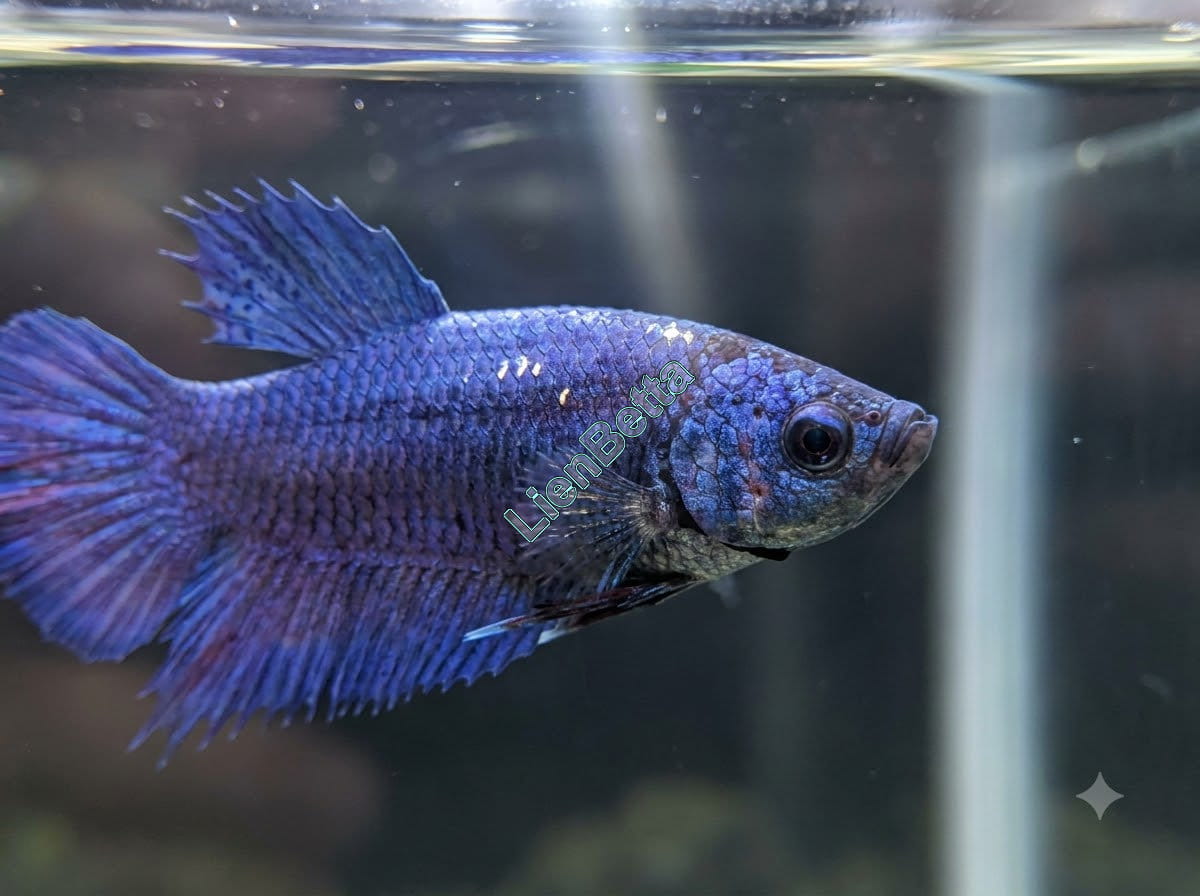
Are Indonesian Betta Fish Different from Thai Betta Fish?
When researching imported fighting Betta fish, many people compare Indonesian and Thai Betta fish. This is understandable because Thailand is widely recognized in the Betta community, while Indonesian Betta fish also attract interest because of the diversity of available fish.
However, the differences between these two sources cannot be determined by country names alone.
Thailand has a long history of raising, breeding, and developing various Betta strains. Indonesia also has a community of Betta keepers and strains developed according to different criteria. In both countries, fish quality can vary depending on the farm, bloodline, and care methods.
When comparing two fish, you should examine their actual characteristics, such as size, body shape, color, health condition, estimated age, and information about the source farm. If the seller introduces a fish as belonging to a specific strain, ask for clear information to avoid confusing a commercial name with its actual origin.
An Indonesian Betta may suit your preferences better than a Thai Betta, but that does not mean Indonesian Betta fish are generally better. Likewise, the reputation of Thai Betta fish does not guarantee that every fish from Thailand is of high quality.
In my opinion, buyers should make their decisions based on the fish's actual value, their own keeping conditions, and a reasonable price. You should not pay extra simply because a seller labels a fish as “Thai stock,” “Indonesian stock,” or “selected fish” without providing specific supporting information.
Should You Buy Indonesian Betta Fish?
The answer depends on your purpose and the quality of the fish you intend to buy. If you enjoy Betta fish and want to explore strains originating from Indonesia, this is certainly a source worth considering. However, you should research carefully before placing an order, especially when buying from an overseas seller.
If you are buying a fish for ornamental purposes, prioritize characteristics that match your preferences, such as color, body shape, fins, and health condition. A fish with an attractive appearance that is healthy and suitable for your aquarium is a better choice than one advertised as coming from a famous source but accompanied by unclear information.
If you are interested in fish selected for specific characteristics, ask the seller about the strain, the source farm, and the basis for their claims. Do not treat terms such as “selected fish,” “fighting fish,” or “imported fish” as guarantees of quality or competition results.
I also advise beginners not to pay a high price simply because a seller claims that Indonesian Betta fish are excellent. Start by learning about the characteristics of the strain, comparing prices, and checking the seller's reputation. As you gain experience, you will find it easier to distinguish useful information from advertising claims.
Tips for Buying Indonesian Betta Fish Remotely
Buying fish remotely has the advantage of giving you access to a wider variety of sources. However, not being able to inspect the fish in person also creates certain risks. To reduce potential problems, you should check several details before making payment.
Request actual photos or videos. The images should clearly show the fish's color, body shape, and external condition. If a video is available, you can observe how the fish swims and responds in its environment. Ask the seller whether the images show the exact fish that will be shipped to you or are merely illustrative examples.
Ask about the origin. If the seller says the fish comes from Indonesia, ask about the supplying farm, the strain, and any identifying information available. Not every seller can provide a complete pedigree, but they should be transparent about what they know and avoid making exaggerated claims without evidence.
Check the health condition. Observe whether the fish swims normally and whether there are any unusual signs on its body or fins. If the fish appears weak, loses its balance, or does not respond normally, discuss the issue with the seller before buying.
Find out about shipping arrangements. For fish shipped over long distances, ask about the packaging method, estimated delivery time, and instructions for receiving the fish. The seller should explain how to handle the fish upon arrival to reduce the risk of stress caused by environmental changes.
Check the support policy after delivery. Before placing an order, ask how the seller handles situations where the fish arrives in poor condition, how long you have to report the problem, and what evidence you need to provide. Agreeing on these details in advance helps both parties understand their responsibilities if a problem arises.
These steps cannot absolutely guarantee that the fish will meet your expectations, but they give you more information to make a decision and help reduce the risks of buying fish remotely.
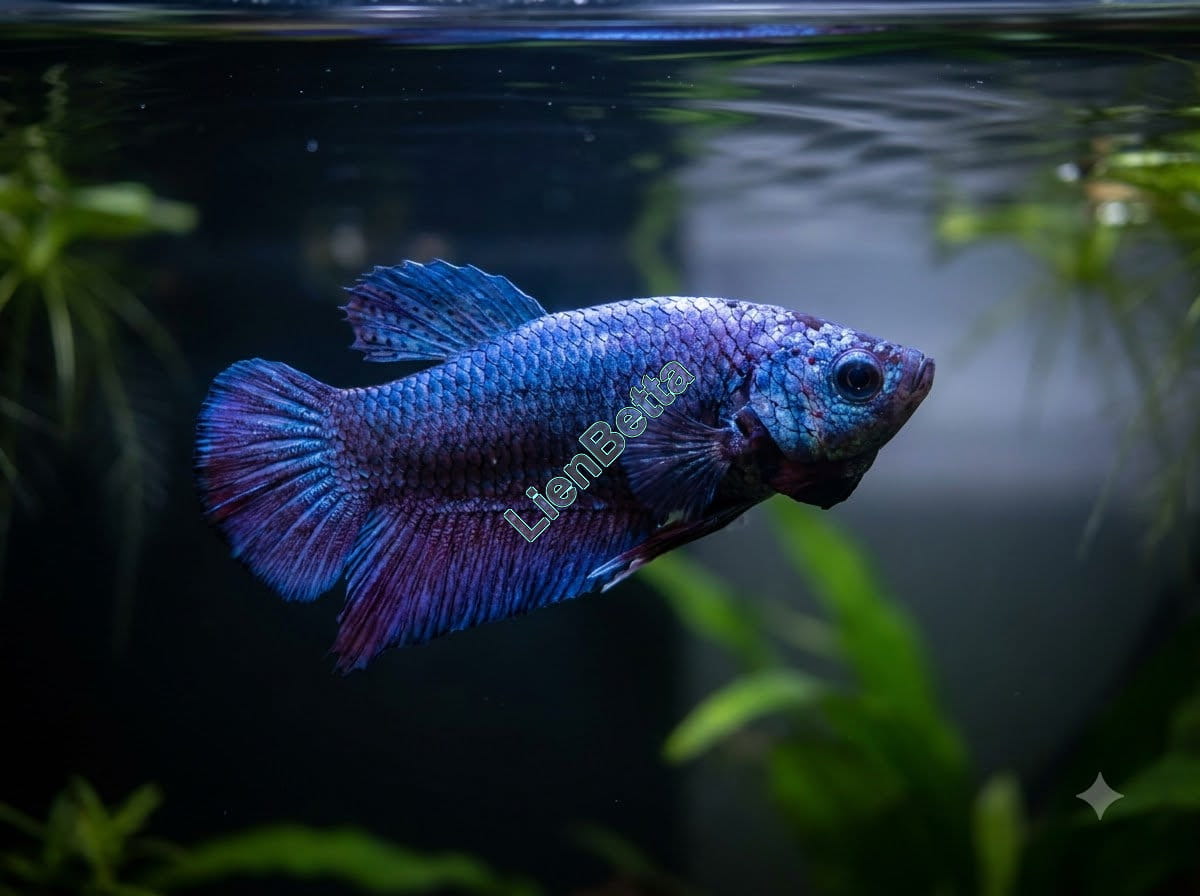
Are Indonesian Betta Fish Suitable for Beginners?
Beginners can certainly explore Indonesian Betta fish, but they do not necessarily need to start with imported fish. The most important things at the beginning are learning how to prepare an aquarium, maintain water quality, feed the fish appropriately, and monitor its health.
If you buy fish from a distant source, you should also account for shipping costs and prepare for the fish's arrival. The initial price may seem attractive, but the total cost can be higher if shipping fees or other related expenses arise.
You should also choose a seller who provides clear information, has good customer feedback, and is willing to answer your questions. A reliable fish source is often more valuable than trying to buy fish from the country considered the most famous.
For beginners, focus on choosing a healthy fish that suits your keeping conditions and fits your budget. Once you understand Betta strains better, you can continue exploring fish from Indonesia, Thailand, or other sources to broaden your experience.
Conclusion
Indonesia has Betta strains that attract the interest of fish keepers, but it is impossible to claim that every Indonesian Betta is a good fighting fish. The quality of each fish still depends on its strain, selection process, health, keeping conditions, and the reliability of its source.
When comparing Indonesian Betta fish with Thai or Vietnamese Betta fish, do not focus only on the country of origin. Check actual photos, ask for clear information about the fish, and assess its health before buying. If you are purchasing remotely, you should also learn about the shipping arrangements and the seller's support policy after delivery.
At Ngoc Lien Aquarium Fish - LienBetta.Com, I always advise fish keepers to research the individual fish they intend to buy rather than making a decision based solely on advertising claims. Choosing the right fish, understanding its care requirements, and buying from a reliable source will help you have a better Betta-keeping experience.


 Vietnamese
 English